Dhyana: Stillness, Meditation
Mariska Cowie | OCT 25, 2021
8 limbs of yoga
Dhyana: Stillness, Meditation
Mariska Cowie | OCT 25, 2021
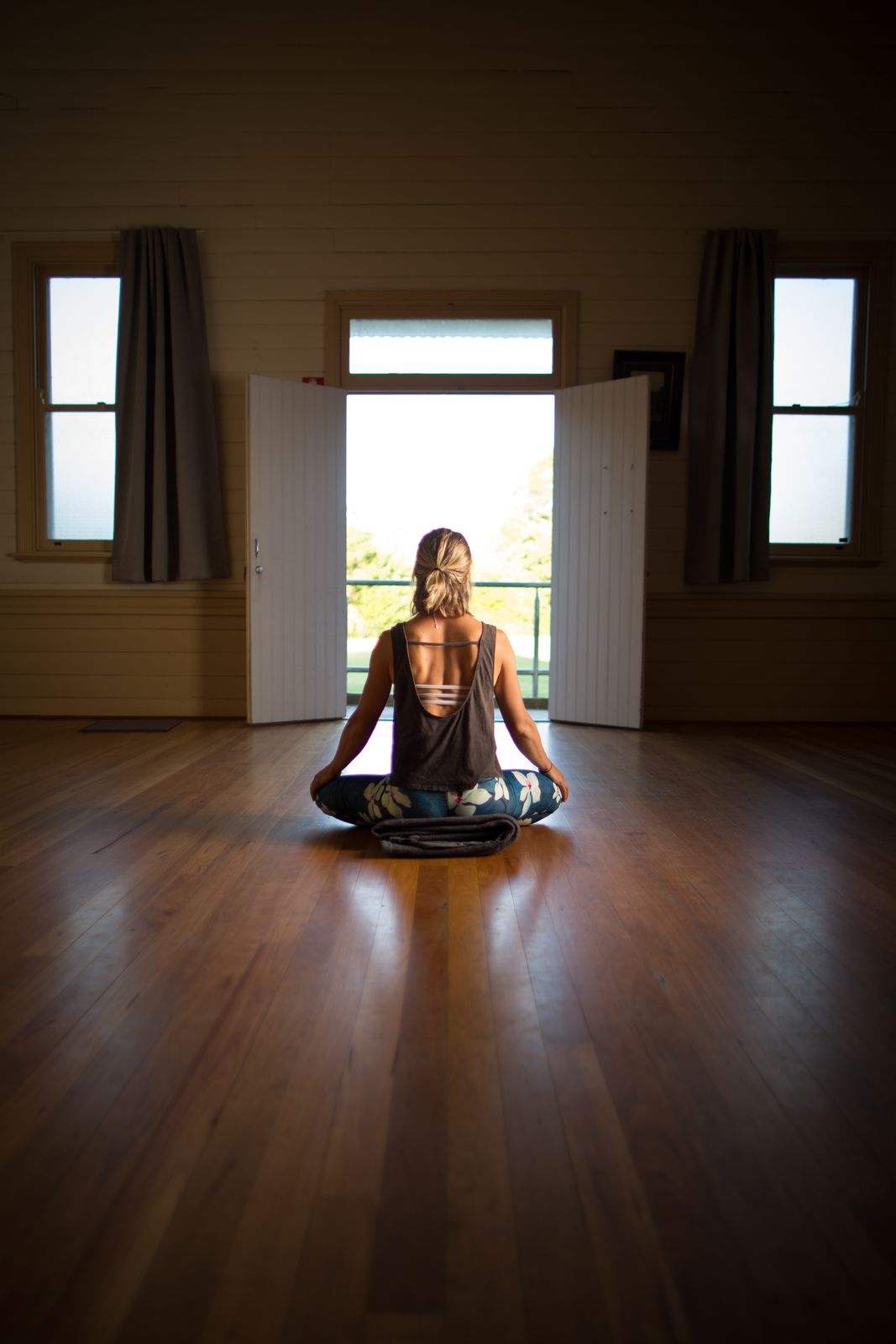
Dhyana is the 7th limb, and is about the continuous flow of inward experience. Meditation is the maintaining of an undistracted mind by being aware of the flow of being. It is a steady contemplation where the focus to bring the mind into one pointed attention of the previous limb now becomes a no pointed attention, more in being absorbed into the knowledge that you are alive and experiencing this moment.
So… there are mental obstacles for allowing ourselves to practice meditation. “I can’t stop my mind from thinking and wandering, I’m bad at this, it’s really hard, I don't have the time“ and the list goes on. But its just our judgments of ourselves that stops us from practicing. It really doesn’t need to be overwhelming or daunting or hard because we’re actually doing what we all want to be doing… nothing.
What is the point of practicing meditation? I have been practicing meditation regularly for over three years now (irregularly before that), and I still am a scattered distracted mind that finds it very hard to quiet the monkey mind. So what do I gain from it? I think the practice is not just to try and quiet the mind… that mental chatter doesn’t stop anyway. It is the practice of unhooking from the pull these thoughts have, like a creating distance from the thought and the one who is about to identify and latch onto these thoughts. It is about remembering that you are more than what you think you are, and are more than this temporary body you live in. All things are changing and impermanent, and so is seeing the mind as a changing environment.
Yoga is the development of managing energy, sensory control, and focused attention so it prepares us to take the seat of meditation where we contemplate our nature. An upright spine is like a garden hose, if it has a kink, the flow stops. If our spines are not held upright in a seat, our energy gets stuck in places. Practicing asana helps us to land into a seat more comfortably without being hyper focused on uncomfortable bodily sensations. Will power is used to focus the attention and meditation is pure awareness, which transforms thoughts, actions, and behaviour. Anger is a good example because you could meditate while angry and sit there and brood about it and justify the reasons for your anger, or you could try to deny it all and pretend everything is fine and push it all down. But in meditation, it’s an aknowledging of how you feel, feel it as some weather system that’s going to pass, and create space around who you are and what is making you angry.
Our minds are repositories of past experiences. If our minds are everywhere, it’s like a dirty cup of water. Meditation practice helps to settle the mud to the bottom to reveal the clear water. So it’s not about getting rid of anything or trying to be calm or even about being a good breather. We get to know ourselves as we truly are, which is spirit. Focused attention should melt into peaceful awareness, with no agenda or goal to be made, just being and listening and present.
Reflect:
How does your ego most commonly show up?
How could you invite a meditative state into your life more regularly?
Mariska Cowie | OCT 25, 2021
Share this blog post
 OfferingTree